
Free Online Fixed Price Full Turnkey Quote
Free Online Fixed Price Full Turnkey Quote
Online quotes are temporarily unavailable. Browse our current home designs below.
Display Village
Browse our range of home designs and turnkey packages.
3 homes found
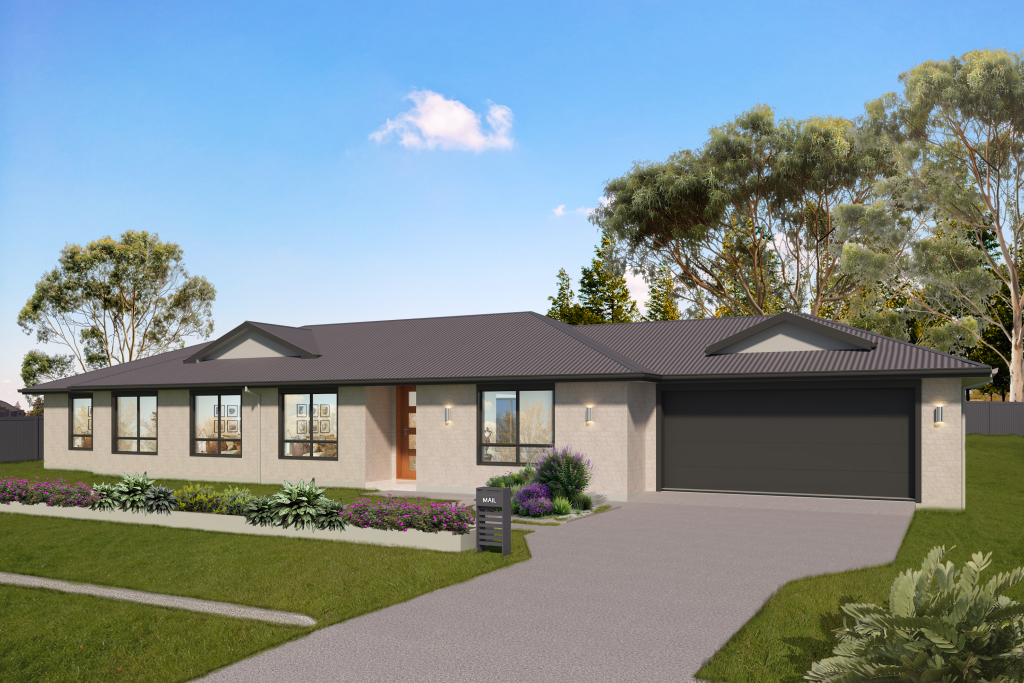
231 River Gum
Acreage, Traditional
Fixed Package Price $463,820 inc. GST
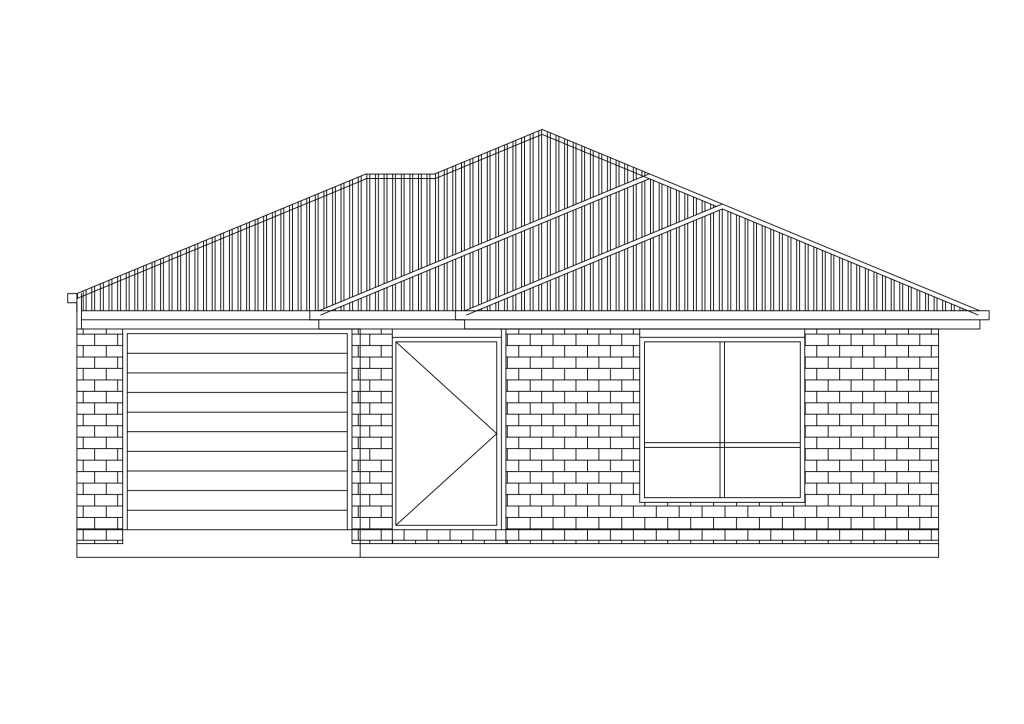
158 The Crest
Narrow Lot 10.5 Wide
Fixed Package Price $357,265 inc. GST
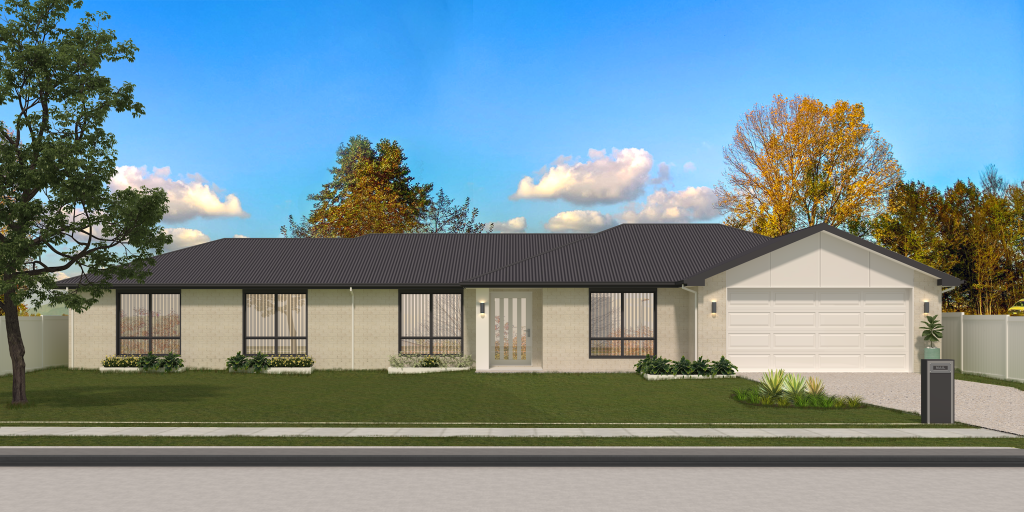
224 Tallow Wood
Acreage, Traditional
Fixed Package Price $451,175 inc. GST
Knowing what to look for when comparing turnkey home packages in Ripley Valley can be the difference between a smooth build experience and a drawn-out process full of unexpected extras. Ripley is one of South East Queensland’s fastest-growing corridors, and with dozens of builders advertising packages in the area, it’s easy to get overwhelmed by glossy brochures and display-home charm that doesn’t always translate to the final product. This guide breaks down the specific things you should be checking — not just the headline price — before you sign anything.
What a True Turnkey Package Actually Includes
The word ‘turnkey’ should mean exactly that: you turn the key and the home is ready to live in. But not every builder uses the term the same way, and the gap between what’s advertised and what’s delivered can be significant.
When reviewing any package, you need to confirm whether the following are included as standard — not as upgrades:
- Driveway and front path
- Turf and landscaping to council requirements
- Fencing on all boundaries
- Flyscreens and window furnishings (or clarity on what is excluded)
- Letterbox and clothesline
- Garage door with remote
- Air conditioning (type, zones, and brand)
- Flooring throughout — not just wet areas
- Appliances and kitchen fit-out including rangehood, oven, and dishwasher
- Site costs — more on this below
Some builders advertise a turnkey package but list the above items as provisional allowances, which means if the actual cost of that item comes in higher, you pay the difference. A genuine fixed-price turnkey package specifies the product, not just a budget line.
Site Costs — The Most Misunderstood Part of Any Package
Site costs cover the work required to prepare your land for construction — things like soil testing, cut and fill earthworks, retaining walls, and connecting to services. On flat, stable land these costs are manageable. On sloping or reactive-soil blocks, they can add substantially to the project.
Before signing a contract, ask your builder whether site costs are included and capped, or whether they’re subject to variation based on soil report results. A builder who has been working in Ripley since its early development stages will understand the typical soil classifications in the area and should be upfront about what a standard site in this corridor typically requires.
How to Read a Fixed-Price Contract
A fixed-price contract provides a single, agreed sum for the completed home. But the clarity of that contract depends entirely on how inclusions and exclusions are documented. Here’s what to look for:
Inclusions Schedule
This document should list every product, brand, colour range, and specification that is included in the base price. If it’s vague — for example, ‘quality tiles to wet areas’ without specifying the range, format, or brand — you’re likely looking at a builder who upgrades clients off base specifications regularly. A strong inclusions schedule is specific enough that you could hand it to any supplier and get an accurate quote.
Exclusions List
Just as important as what’s in is what’s out. A transparent builder will provide a clear exclusions list so you know what you’ll need to arrange independently — such as pool installation, solar panels, or certain council fees. Surprises here are a red flag.
Variation Clauses
A variation is any change to the agreed scope after contract signing. Some variation clauses are reasonable — for example, if you request a design change mid-build. Others are structured so that the builder can issue variations for items that should have been included from the start. Read this section carefully, and if anything is unclear, ask for it in plain language before you sign.
What Happens During the Build — The On-Site Process
Understanding how your builder operates on site helps you set realistic expectations and spot problems early if they arise.
Typical Construction Stages
A standard turnkey new home in Ripley Valley typically progresses through the following stages:
- Site preparation and slab: Land is levelled, services are connected, and the concrete slab is poured and cured. This is usually the first major progress payment milestone.
- Frame: The timber or steel frame is erected and inspected by a building certifier before work proceeds.
- Lock-up: Roof, windows, and external doors are fitted so the structure is weather-tight.
- Fixing: Internal linings, cabinetry, tiling, and fit-off for plumbing and electrical are completed.
- Practical completion: Final inspections, external works (driveway, turf, fencing), and handover.
Ask your builder for an indicative programme that maps these stages to calendar dates. While weather and supply chain factors can shift timelines, a builder with experience in the Greater Brisbane corridor should be able to give you a realistic window for each stage.
Licensing, Insurance, and Certification
In Queensland, residential construction must be carried out under a current Queensland Building and Construction Commission (QBCC) licence. Your builder should be able to provide their licence number, and you can verify it independently on the QBCC register. Work should also be covered by Queensland Home Warranty Insurance, which protects you against defective or incomplete work. Ask your builder to confirm this is in place before work starts.
Fixed Price Builder has held a QBCC builder’s licence since 2006 and operates across Greater Brisbane with a fixed-price model designed to give homeowners clear, upfront certainty from the day the contract is signed.
Progress Inspections
You have the right to arrange independent inspections at key stages of construction — frame stage and pre-plaster are the most critical. An independent building inspector can identify structural issues or non-conforming work before it’s covered up. This is separate from the certifier’s mandatory inspections and is worth arranging for your own peace of mind.
Questions to Ask Before You Choose a Builder
When you’re comparing packages across multiple builders, the answers to these questions will tell you more than any display home visit:
- Is the advertised price truly fixed, or is it subject to site cost variations?
- Can you see a full inclusions schedule before signing — not a highlights summary?
- What is the builder’s current QBCC licence number and can you verify it?
- Has the builder completed homes in Ripley Valley or adjacent estates recently?
- What is the process for handling defects during the defects liability period after handover?
- Who is the site supervisor and how often will they be on site?
- How are progress payment milestones structured, and do they align with construction stages?
A builder who is confident in their product and process will answer all of these without hesitation. Vague or deflective answers to any of these questions are a signal to dig deeper before committing.
Red Flags When Comparing Turnkey Packages
Experience across the Greater Brisbane new-home market — including the fast-growing Ripley Valley corridor — reveals a few consistent warning signs that buyers should watch for:
Headline Prices With Long Exclusions Lists
If the advertised package price is followed by a long list of items that are ‘not included’, the headline number is misleading. A genuine turnkey package gets you to the front door with the key in your hand — not to lock-up with a list of work still to arrange.
Provisional Sums on Key Items
Provisional sums (PS) are budget estimates for items where the final cost isn’t known at the time of contract. A few are unavoidable — for example, council headworks charges that haven’t yet been levied. But provisional sums on fit-out items like tiles, cabinetry, or appliances are a sign that the base price doesn’t actually reflect what the finished home will cost.
No Display Home or Completed Projects to Inspect
If a builder can’t show you a completed home — either a display or a recently handed-over property — you’re taking a significant risk. Asking to visit a completed home (with the owner’s permission) is a reasonable request and one that confident builders are usually happy to facilitate.
Pressure to Sign Before You’ve Reviewed the Contract
Any builder who creates urgency around signing before you’ve had time to read and understand the contract documentation is not operating in your best interest. Take the time you need, and if the builder won’t allow it, walk away.
If you’re ready to compare packages with genuine fixed-price certainty, reach out to Fixed Price Builder to discuss your land, your brief, and what a complete turnkey home in the Ripley area would look like for your family. There are no surprises at this end — just clear information and honest advice from a team that has been building across Greater Brisbane since 2006.
Frequently asked questions
What is the difference between a turnkey package and a standard house and land package?
A standard house and land package typically covers the land purchase and the construction of the home to a certain stage — often lock-up or completion of the structure — but may not include items like landscaping, fencing, driveway, or appliances. A true turnkey package includes all of these so the home is move-in ready at handover with nothing left for the buyer to arrange or pay for separately.
Are site costs always included in a fixed-price turnkey package?
Not always — and this is one of the most important questions to ask before signing. Some builders include site costs up to a certain classification (for example, Class M soil) and charge variations if conditions require more work. A fully fixed-price builder should either cap the site cost contribution clearly or confirm it is fully included based on the soil test result for your specific block.
How long does it typically take to build a new turnkey home in the Ripley Valley area?
Construction timelines vary depending on the design, block size, and current trade availability, but most standard turnkey homes in the Greater Brisbane corridor take somewhere between nine and fourteen months from contract signing to handover. Your builder should be able to give you a staged programme once your design and site details are confirmed.
What warranty protection do I have on a new home built in Queensland?
In Queensland, new homes are protected by Queensland Home Warranty Insurance administered through the QBCC, which covers defective or incomplete work by a licensed builder. There is also a statutory defects liability period after handover during which the builder is required to rectify any defects identified. Your builder should provide documentation confirming warranty insurance is in place before construction begins.
Can I make changes to a fixed-price turnkey package design?
Most fixed-price builders allow a degree of personalisation within their package range — for example, selecting from approved colour schemes, tile ranges, or facade options. Structural changes to the base design are generally treated as variations and may affect the contract price. Ask your builder to clearly outline what can be customised within the fixed price and what changes would require a formal variation before you sign.